Somatic Yoga That Moves Stuck Energy Safely
Sep 12, 2026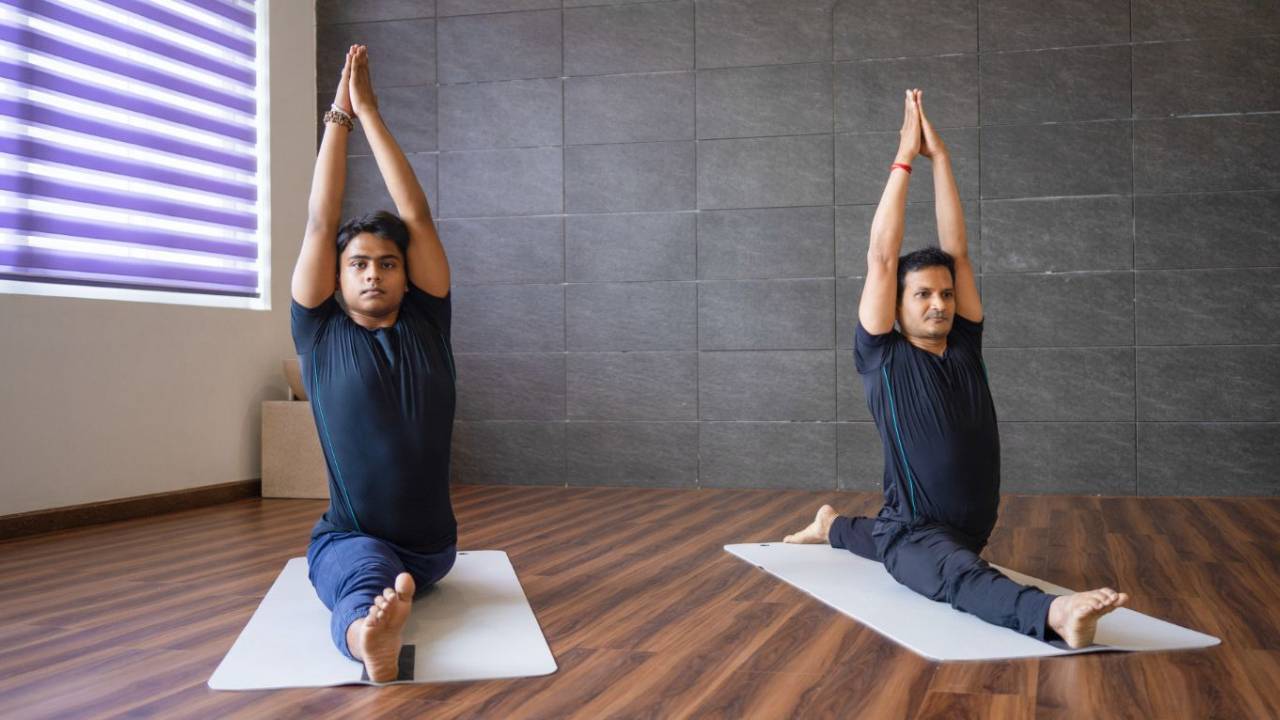
Late summer in San Francisco often carries a kind of pressure we don’t always notice right away. The sunlight feels longer, the air can feel heavy, and schedules start to stack back up before fall even starts. This is the time of year when some of our energy starts to feel stuck. Not tired exactly, just harder to move through. And if we’re holding pain or experiences that haven’t had space to be felt, that buildup can start to feel like agitation under the surface.
Somatic yoga helps us move some of that pressure without pushing ourselves harder. It gives us a slower, kinder way to notice what’s happening inside the body. With gay men trauma recovery somatic experiencing yoga, we create space to meet what’s real without asking for performance. Here, grounding happens step by step, with pacing, choice, and a little room to breathe.
Understanding Stuck Energy and the Nervous System
Stuck energy might not be something we name right away, but we know how it feels. The body might feel braced even when nothing is wrong. A sudden tightness shows up in the chest. Legs feel jittery or completely frozen. Sometimes we notice the sense of shutdown before we realize what triggered it.
This can come from past experiences the body couldn’t finish handling at the time. Trauma doesn’t always leave in big waves. Often, it stays quiet in the nerve endings and tissues, waiting for a safe moment to move. But that safe moment has to be real. The nervous system needs to know it won’t be forced before it starts to soften.
That’s why we don’t force movement either. Somatic yoga welcomes the energy, pays attention to it, and helps it shift without rushing. Instead of trying to stretch tension away or silence it with breath, we stay with it. We ask the body if it’s ready. We let it answer.
What Makes Somatic Yoga Different
Most movement practices have a structure. Certain poses, certain timings, steady pacing. Somatic yoga breaks out of that pattern. It moves with the nervous system, not over it. That means using slowness, breath, and sensation as markers for when to shift, or when to stay still.
Fast movement techniques can be helpful, but they often skip over internal signals. Somatic work stays with them. It waits to feel the signal that it's okay to continue. That might look like fewer movements in a session. It might look like a breath held just a little bit longer while we check in with how it feels.
Here, the goal isn’t progress in the usual sense. We’re not building toward peak poses or chasing a calm state. We’re listening. We wait for our bodies to show us what’s safe instead of planning it from the outside. That might bring less of a performance feel and more of a conversation.
Building Safety for Gay Men Using Somatic Practices
For many of us who grew up in or still live within environments that read our bodies as other, safety has always been complicated. We’ve had to read rooms, soften expressions, monitor voices, hold back responses. That kind of internal bracing doesn’t disappear when we step on a mat.
A space can feel off even if it looks calm. A set of postures meant to be relaxing can sometimes bring discomfort when our nervous system doesn’t trust the container. That’s why gay men trauma recovery somatic experiencing yoga matters. It doesn’t just invite consent, it centers it.
- We choose what movements we want to try and how far we want to go
- We don’t have to explain or justify when something feels like too much
- We hold stillness with care, not as a performance task, but as a signal of trust
Building safety means saying no is always okay. It also means letting softness return in its own timing. Sometimes that looks like slow rocking. Sometimes it looks like doing nothing at all and calling that valid.
Transitional Movement Ideas for Late Summer Energy
When the season starts to press outward and our bodies don’t quite know how to match it, simple movements can help. We don’t need a full session or a set routine. Just a few sensory check-ins can ground the system.
- Sitting low to the ground and rolling gently side to side
- Placing both feet on cool earth or flooring and noticing the contact
- Walking slowly with awareness from heel to toe, one step at a time
- Holding a forward fold and breathing until the spine stops gripping
- Adding light touch to the shoulders or belly while resting on the back
None of these are about fixing energy that feels off. They're about spending time with the parts of ourselves that might be overwhelmed. That presence alone is a kind of steadying.
When Movement is Slower Than Expected, and That’s Okay
Somatic shifts don’t often come with big moments. They tend to move in smaller, less certain ways. A single breath might spark a memory. A stretch might bring a wave of quiet, then nothing for a while. That timing isn’t wrong. It’s just what real nervous system change looks like.
When we expect emotionally charged release and don’t get it, we might wonder if the work is going anywhere. But release isn’t always the goal. Finding emotional range and stability in the long run often takes more than quick relief. It takes return.
Choosing not to push, even when the body seems slow, is a form of care. It lets our system know it won’t be dragged toward progress. And through that, it sometimes gives us more than we expected.
A Softer Approach to Energy That Stays
Awareness that starts in the body can make tension less alarming. We don't have to name every feeling or know where it comes from. We simply meet it, let it show up, then ask what it needs. This kind of practice keeps us connected when our system wants to shut down.
Late summer doesn’t always call for high speed. In fact, it often asks us to reset. With slower days fading and routines stacking up, small expressions of safety can make all the difference. With somatic practices that respect the body’s pace, we don’t have to guard against what comes next. The nervous system can finally soften out of its corners and rest, without needing a reason.
At Danni Pomplun, we offer quiet and grounding ways to support reconnecting with your body this season, centering presence over performance and creating space for you to move at your own pace. If you’re in San Francisco and curious about how gay men trauma recovery somatic experiencing yoga can help you feel safe in a group setting, we invite you to connect with us. We hold space with choice, consent, and mindful pacing so your nervous system can settle into something steadier. Reach out to start a conversation today.
Stay connected with news and updates!
Join our mailing list to receive the latest news and updates from our team.
Don't worry, your information will not be shared.
We hate SPAM. We will never sell your information, for any reason.