Do Microdosing Practices Fit Into Gay Men's Recovery Work?
May 24, 2026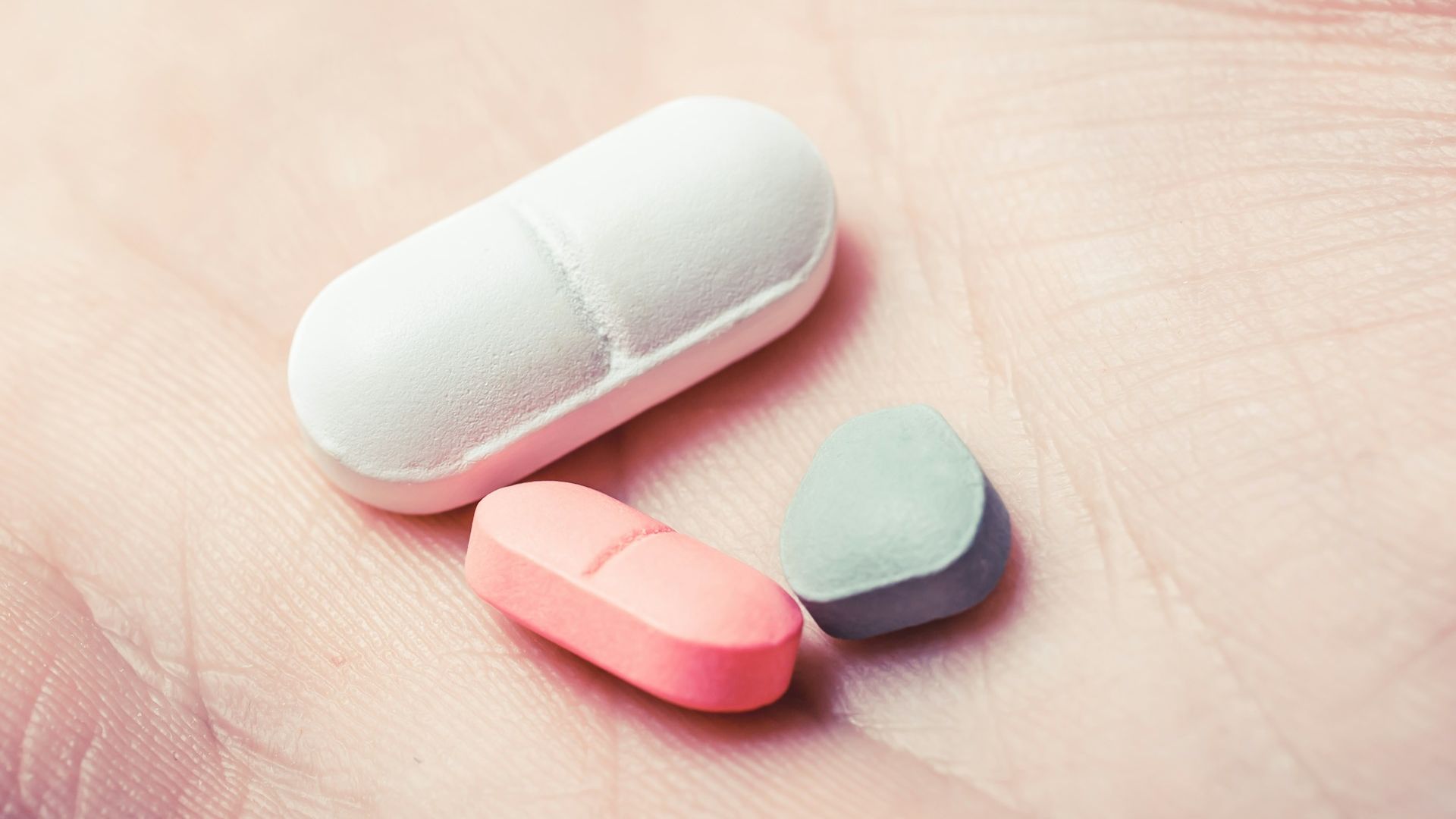
Microdosing is getting more attention lately, especially in wellness spaces. Some see it as a curiosity, others as a quiet experiment in self-connection. We’ve noticed that some gay men exploring trauma recovery are starting to ask if it has a place in their healing work. These conversations aren’t always loud, but they’re happening.
Recovery isn’t one-size-fits-all. That’s especially true when someone has tried talk therapy or movement practices but still feels something is stuck. With that mix of curiosity and care, questions about gay men trauma recovery microdosing naturally come up. We're not here to endorse any one path, but to hold space for honest reflection, without hype, without judgment.
What Is Microdosing and Why Are People Talking About It?
Microdosing usually means taking very small amounts of a psychedelic substance, often below the level where it would cause any strong effects. People tend to stay within their normal day, going to work, doing chores, or practicing yoga like usual. Physically, things feel the same, but mentally, some report shifts in awareness or mood.
Some say they feel more emotionally steady. Others describe noticing thoughts or patterns more clearly, almost like they’ve zoomed out a little. Common reasons people give for trying microdosing are:
- Supporting mood during hard transitions
- Feeling more connected to their inside world
- Experimenting with softer ways to process past experiences
- Hoping for a gentle reset in their nervous system
There are also legal, cultural, and personal layers to this. Substances used in microdosing aren’t legal everywhere, and comfort levels with them vary a lot. It’s not a guaranteed solution, and no one approach works the same for everyone. That’s what makes it personal, and sometimes tricky to talk about openly.
How Trauma Shows Up in the Body for Gay Men
Trauma can settle in the body in ways that words don’t always reach. For many gay men, experiences of rejection, shame, or living under pressure to fit certain molds leave lasting imprints. These can show up as tightness in the chest, a constant sense of alertness, or days where a person feels flat and disconnected.
- Some live with hyper-awareness that makes it hard to relax
- Others feel physically tense even when things seem fine
- Over time, these patterns can lead to exhaustion or emotional numbness
Growing up without much space to be fully seen can shape the way the nervous system responds, and not always in obvious ways. Many of us learn to stay on guard, scanning for safety, staying just slightly outside our own skin.
Recovery work that involves the body, like yoga, grounding, or breath work, can help shift some of these patterns. Even without any outside tools, being able to name what we feel and where we feel it is a big step forward. Microdosing might be a part of that shift for some, but it's not a substitute for tuning in.
Where Microdosing Might Fit Within a Recovery Approach
Some gay men looking for gentler entry points into their own stories have begun experimenting with microdosing, not as escape, but as a way to stay with difficult emotions just a little longer. The feeling isn’t dramatic. Think of it more like slightly softened edges, or a little more room to breathe during emotionally tight moments.
Here’s where microdosing shows up for some:
- Supporting awareness during inner work
- Staying open during stretches of emotional processing
- Helping someone reconnect with parts of themselves that felt too distant or numbed
That said, the effects aren't universal. Some don’t notice anything. Others might feel unsettled or overstimulated. It doesn’t always fit every phase of recovery, and there’s no formula that tells you when or whether it’s right.
When we think about gay men trauma recovery microdosing naturally becomes one of the newer pieces in an expanding toolkit. It's not about skipping past discomfort or replacing care that’s already helping. It's about bringing curiosity to our own patterns and responses, and seeing what helps us feel more grounded, safe, or open.
Honoring the Body’s Role in Any Kind of Healing Work
The body holds information that the mind sometimes tries to push away. Many of us learn early how to leave our bodies behind, to dissociate during stress, to brace physically for tension we’re not allowed to speak out loud. Healing, then, means learning how to come back, slowly and gently.
- Slowing down helps us notice what we’re actually feeling
- Grounding practices bring the body into the room, not just the mind
- Safety needs to come first before deeply emotional work can happen
Microdosing might offer a tool for some, but it isn’t a shortcut. What matters more is the relationship we build with ourselves over time. Recovery work is about giving the body a seat at the table and listening when it speaks. Sometimes that means noticing a clench in the jaw, or a fluttery feeling in the chest, and following it with compassion instead of fear.
There’s permission in taking it slow. No single path works for everyone. Some people use movement practices, others talk it out, and a few try substances like microdosing to support more internal contact. Recovery isn't about performance, it's about presence.
A Tuning-In Moment, Not a Quick Fix
We’re used to looking for answers that come quickly, but the body doesn't usually work that way. Whether we're adding a new tool or reconsidering old ones, it can help to stop and just ask, does this feel like support, or another layer of pressure?
No one needs to micromanage their recovery. Some weeks are steadier than others. Some parts of healing feel clear, while others remain blurred. Whether someone is curious about microdosing, practicing yoga, or returning to breath work, what matters most is the relationship they build with their own body. That’s our true foundation. Not the tools, but the trust we slowly build as we learn to feel again.
At Danni Pomplun, we know that healing is a layered journey, especially when exploring something like gay men trauma recovery microdosing alongside movement practices. Our San Francisco classes focus on supporting practical presence, not perfect outcomes. When you’re ready for a steady, real approach to growth, let us know what kind of support you need, we’re here to help.
Stay connected with news and updates!
Join our mailing list to receive the latest news and updates from our team.
Don't worry, your information will not be shared.
We hate SPAM. We will never sell your information, for any reason.