
Using EMDR Yoga for Uneasy Relationship Memories
Sep 06, 2026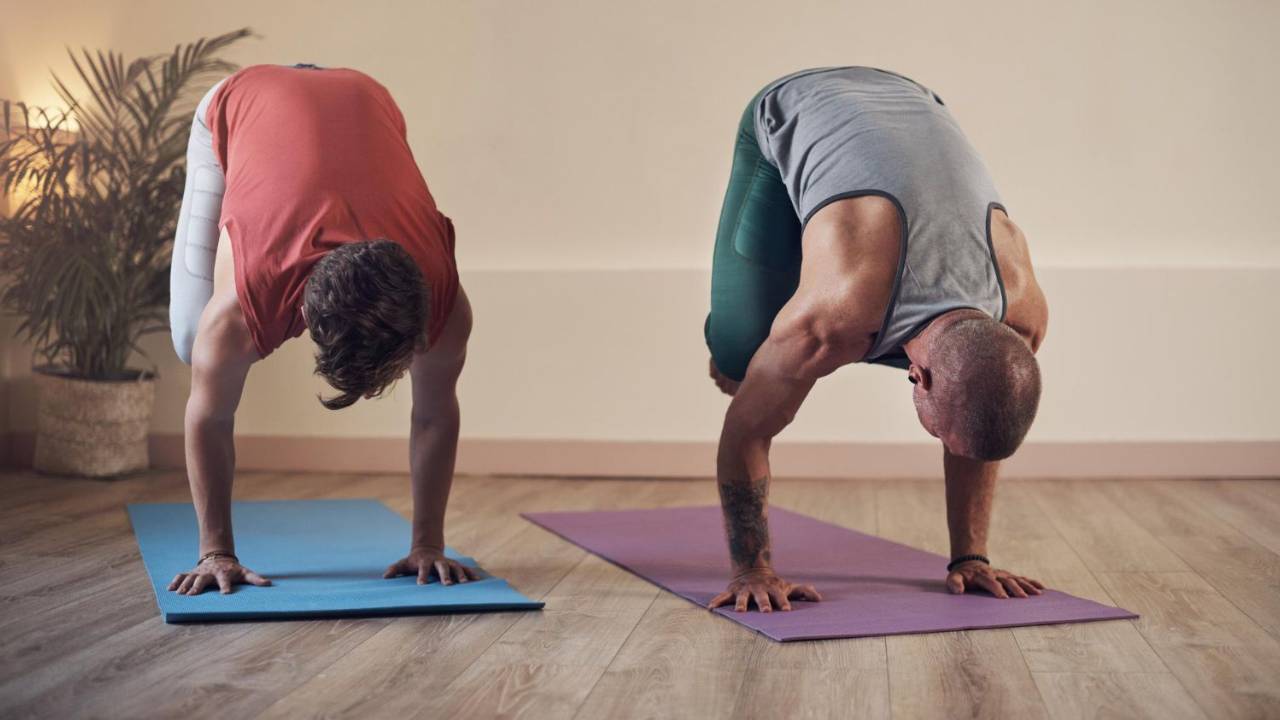
Some relationship memories have longer shadows than we expect. For many gay men, those shadows are shaped by more than just breakups. Old family wounds, experiences with unsafe intimacy, or years of self-protection can leave memories that settle deep in the nervous system. As summer starts to quiet and the pace slows in San Francisco, we often find space to revisit what's still held in the body.
Gay men trauma recovery EMDR yoga gives us a way to stay connected while working with these memories. It doesn’t rush or retraumatize. This kind of practice lets us meet discomfort slowly, with support, so that healing doesn’t overwhelm us all at once.
What EMDR and Yoga Each Bring to the Healing Process
Memory and stress are not just in the mind. They show up in how we carry ourselves, how we breathe, even how we hold tension in our chest or jaw. EMDR, or Eye Movement Desensitization and Reprocessing, is often used to help process stuck trauma. But it’s not just about the eyes or thoughts. It works with the nervous system, inviting the brain to re-organize how past pain is stored.
Yoga brings something different but just as helpful. It reconnects us to the body in the present, offering breathing, movement, and stillness as ways to regulate when we feel overwhelmed.
- EMDR helps the brain reprocess overwhelming experiences so they feel less present in the body
- Yoga supports body awareness, so we can stay grounded and track what’s happening inside
- Using both together builds more space between memory and reaction, especially when the story is difficult to talk about or even name
There are moments when feelings rise but words can’t follow. Pairing these practices gives the nervous system more ways to respond, not just react.
How Uneasy Relationship Memories Show Up in the Body
Emotional pain doesn’t always stay emotional. It moves into the body and becomes tension, heaviness, or numbness. We’ve heard people say, “I feel fine, I just can’t breathe as deeply anymore,” or “I’m always tired no matter how much I sleep.” These are signs the body is holding unsafe memories.
- Shoulders that stay tight, even at rest
- Numbness in the chest, stomach, or limbs
- Low energy around activities that used to bring joy
- Sudden shutdowns in response to conflict or intimacy
These body responses often come from trying to stay safe in the past. When a relationship ends harshly, or a breakup echoes being rejected earlier in life, the body builds protective reflexes without permission. Tiny cues can stir up full-body tension. The tone of a voice, the way someone reaches for a door, or a message left unread can reopen that tight loop.
Recognizing these patterns doesn’t mean we’re broken. It means the body has been trying to protect us, sometimes long after the danger has passed.
What a Gay Men-Centered EMDR Yoga Practice Can Look Like
When working with trauma inside queer bodies, the environment matters more than most people realize. It’s not just about following steps or sticking to a form. It’s about feeling safe inside and out. Many of us have learned to scan a room before exhaling fully, to wait and see who else is present before softening into rest.
That’s why practices focused on gay men don’t just address trauma, but the layers underneath it.
- Sessions often move slower, with smaller postures and more check-ins
- We offer options instead of instructions, so choice stays active
- Movement begins close to the ground, where the body can feel more supported
- Language stays simple and neutral, focused on what’s being felt, not how we "should" look or feel
Sometimes just having space where no one is correcting us or pushing us to try harder is what allows the body to start trusting again. It’s not always visible, but it’s deeply felt.
Gay men trauma recovery EMDR yoga meets you right where you are. There are no expectations for rapid progress or polished performance. Instead, the practice allows your natural rhythm to guide the session. When your body has been through tension or habitually braces against discomfort, it helps to move at a gentle pace. This is part of creating a container for safety, allowing healing to unfold bit by bit, rather than forcing big leaps.
By returning to simple grounding techniques, like noticing the breath or paying attention to points of contact with the ground, you help your nervous system trust the present moment. This can make even difficult memories feel more tolerable, reducing the urge to shut down. Over time, with steady practice, the body may start to relax its defenses, making space for new experiences and reactions.
When Fall Brings Reflection: Timing Emotional Work with the Seasons
The tail end of summer makes space we didn’t know we needed. It’s not quite cool, but the air shifts. Late nights become quieter. Natural light softens. This timing isn’t random. It lines up with how many of us instinctively start looking inward during September.
- Emotional stress, when met too early in the year, can feel too raw to hold
- Fall invites pausing, not pushing, which matches the pace of EMDR yoga work
- We stop stretching toward summer dreams and start letting go of past versions of ourselves
Doing deeper emotional repair in fall makes sense. Our systems are prepped for inward motion, for settling in after months of outward energy. Gay men trauma recovery EMDR yoga fits this rhythm. It holds us while we reorganize, without asking us to rush or present something polished.
Gentle seasonal transitions offer the chance to notice shifting energy and natural rhythms. You might realize you’re more easily moved by music, feel memories stirring, or sense a longing for stillness. These moments are not setbacks but invitations to explore with curiosity. Small, honest steps, like simply noticing where your body holds extra tension as days grow shorter, can be powerful. Matching your internal pace to the slower, softer days of fall can help emotional processing feel more manageable.
A Gentler Way to Meet the Past
We often think healing means forgetting, or getting over it. But it can just mean that the same memory stops controlling how we sit, breathe, or notice touch. The past doesn’t vanish, but it can land differently in the body.
Trauma-sensitive practices remind us we don’t have to feel everything at once. When pain from past relationships lingers, especially for gay men, how we approach that pain matters. We don’t need to tough our way through it. We just need space, safety, and time to respond instead of brace. That’s when things start to change.
Healing can happen quietly, in places where there’s no pressure to perform or explain yourself. Sometimes it looks like having more ease in your chest or being able to step into relationships with less fear. With patience and regular support, the distance between a painful memory and your body’s response grows, giving you the freedom to choose how you wish to move forward.
When the shift into fall feels especially heavy and you’re carrying more than you can name, know that you’re not alone. At Danni Pomplun, we hold compassionate space for everything you bring, grief, memory, confusion, and moments of calm. Our approach to gay men trauma recovery EMDR yoga honors your pace and helps restore a sense of safety in the present. Reach out when you feel ready to move forward with gentle support.
Stay connected with news and updates!
Join our mailing list to receive the latest news and updates from our team.
Don't worry, your information will not be shared.
We hate SPAM. We will never sell your information, for any reason.