EMDR Yoga for Breaking Old Thought Loops in SF Gay Men
May 10, 2026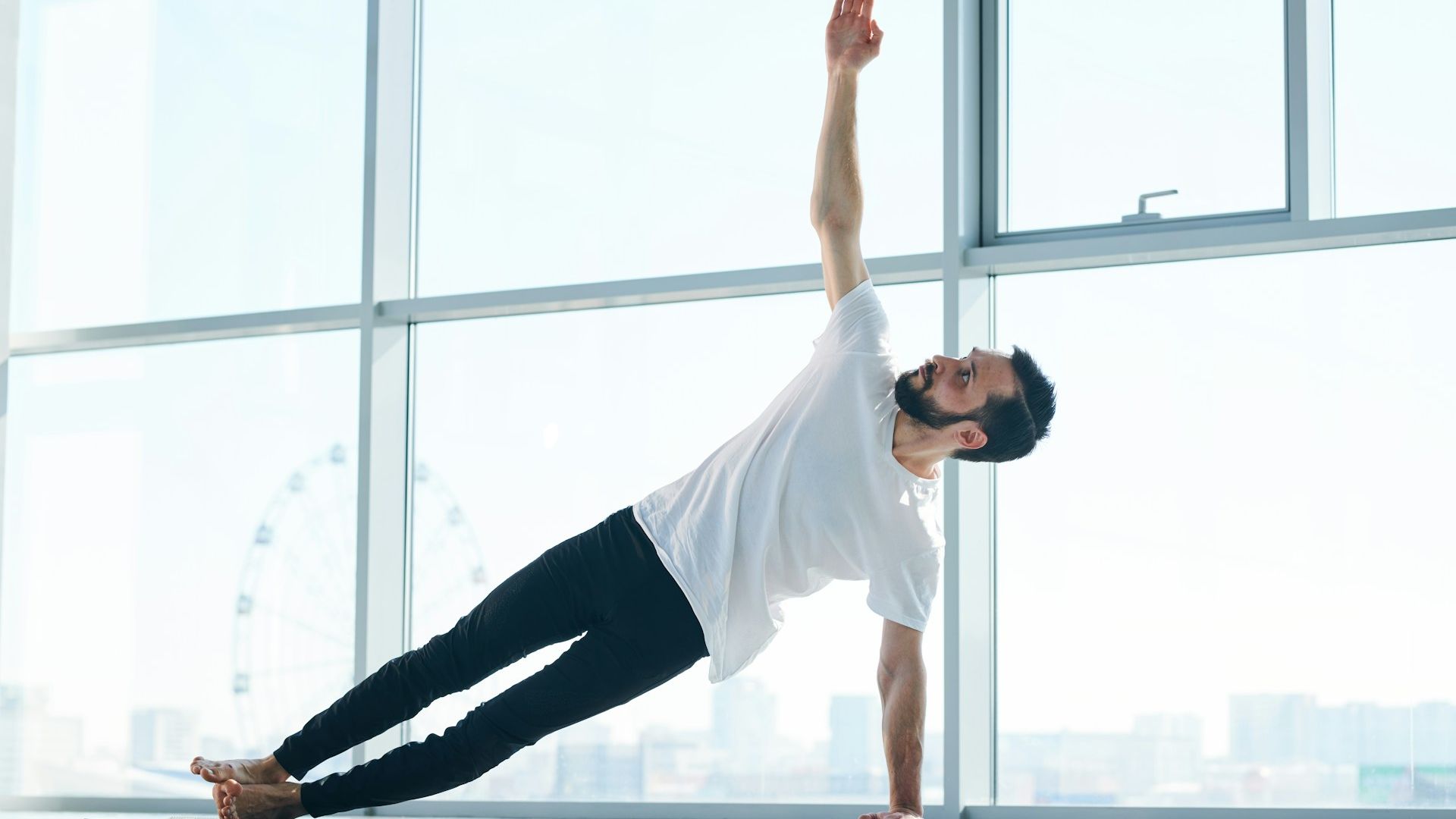
Sometimes the hardest part of recovering from trauma isn't what happened, but how our minds have learned to replay it. We don't always notice it at first, but these thought loops can start to shape how we see ourselves, how we connect with others, and how we respond to the world. Especially for gay men, those loops often form as a kind of shield built around survival, hard to notice, harder to break.
That’s where movement and trauma work meet. In spring, when the energy in San Francisco starts to lift from fog to clarity, there’s often a push toward renewal. But for many, the old loops sharpen, too. Our bodies pick up speed, but our thoughts might not know where to land. This is where gay men trauma recovery EMDR yoga creates something more rooted. It shifts the focus from fixing thoughts to sensing the body. And when practiced with care, it gives space to slow down those mental patterns with simple, safe movement.
How EMDR and Yoga Work Together
We’ve seen how blending movement with therapy can support deeper nervous system healing. Eye Movement Desensitization and Reprocessing, or EMDR, is one trauma treatment that helps people reprocess painful experiences through brief, guided attention shifts. What makes it powerful is the connection between awareness, gentle stimulation, and the body’s own internal rhythm.
When we bring elements of that into yoga, things start to sync. Breath becomes more than breath, it becomes a grounding tool. Eye movements can shift focus without overthinking. Repetitive motions cue a part of the brain tied to safety and attention. Even without following a full EMDR protocol, we can apply small cues from it into our physical practices.
- Slow, simple movement encourages less mental tension
- Eye tracking and grounding can be done in seated or reclined poses
- Breathing with awareness helps reset the body’s stress signals
It may not feel dramatic in the moment, but that’s actually the point. Gentle repetition builds new patterns. That gives the loop less fuel.
Noticing the Loop: How the Cycle Shows Up in the Body
Thought loops often start without us knowing. But they rarely stay in the mind alone. Over time, the cycle echoes in the body. For some, it shows up as tightness in the jaw, the clench of the stomach, or that deep shut-down feeling that makes everything seem far away.
We don’t need to analyze each symptom to begin shifting it. What helps is noticing the signal early, without judgment. In practice, that might mean pausing when your breath gets shallow or placing a hand where you feel tension instead of pushing through a pose. The point isn’t to “fix” it. The point is to stay close enough to feel.
- Notice physical cues like clenching, holding, or sighing
- Slow down when you feel internal rush or freeze responses
- Use breath and soft focus to create a pause before reacting
Yoga helps build awareness by creating space. In that space, we can learn to observe without needing to react right away. That alone can be enough to start shifting the repetition.
Movement as Pattern Interrupt
When we’re stuck in thought patterns, the nervous system isn’t just active, it’s doing its job. These loops often come from old protections. But while they may have made sense then, they don’t always help now.
That’s where movement enters as a kind of interrupt, not forcing something to stop, but gently redirecting where our energy goes. In yoga, this can mean leaning into predictable movement, the same inhale leading to the same shape, over and again. Repetition helps the nervous system rest. Focus on a steady eye gaze in one direction. Let the hands move with soft guidance across the mat or the floor.
Some helpful pattern interrupters include:
- Moving slowly in and out of one familiar pose instead of doing many
- Focusing the eyes on fixed points or the floor
- Pausing between movements to feel your weight in space
We don’t have to “outthink” the loop. Simple motions, practiced consistently, can offer new places for attention to land.
Practicing Without Re-Traumatizing
For movement-based trauma recovery to feel safe, we have to let go of the idea that more effort equals more healing. For many gay men, performance shows up everywhere, including practice. The need to get it right, hold longer, or go deeper can become its own loop if we’re not careful.
That’s why safe practice means flexible practice. Doing less doesn’t mean you’re resisting. Sometimes it means you’re listening.
- Keep the pace soft and self-paced
- Choose environments that feel predictable and relaxed
- Let your body say “no” or “not yet”
This might look like practicing in low light settings or turning away from mirrors. It might mean doing three poses on your back rather than a full class. We let the nervous system guide us instead of the outer plan.
When we practice with this kind of softness, we reduce the chance of overwhelm. Our bodies sense that they can rest, maybe even trust again.
Coming Back to Choice
Underneath the loops and tension and pressure, many of us just want to feel like we have options again. That’s something trauma often takes away, this deep belief that we can choose what happens next. With gay men trauma recovery EMDR yoga practices, we invite that sense of choice back one moment at a time.
Agency in movement is simple, but it cuts deep. Choosing when to move, when to pause, where to look, all of that can start to rewire patterns that were built without consent. We begin to feel the difference between being told what to do and listening to our own cues.
This is not about getting it right. It’s about noticing how it feels when you can sense where your edge is and decide what to do with it. When we have choice in movement, we’re no longer trapped in only one response. That creates room for a body and mind that feel more current, not stuck in the past.
Letting our nervous systems re-learn safety in small ways can shift our patterns over time. When we stop chasing progress and instead stay honest with what we’re feeling, the loops lose their grip. The process gets quieter. But that quietness often carries exactly what we need.
At Danni Pomplun, we offer in-person opportunities in San Francisco designed to support mindful movement and nervous system care. We believe that slowing down with intention creates more clarity and stability, especially for anyone feeling disconnected or overwhelmed by traditional classes. Our approach to yoga builds gradually and encourages you to notice what you’re truly experiencing rather than pushing through discomfort. Discover how we integrate gay men trauma recovery EMDR yoga into our San Francisco classes by reaching out to us directly.
Stay connected with news and updates!
Join our mailing list to receive the latest news and updates from our team.
Don't worry, your information will not be shared.
We hate SPAM. We will never sell your information, for any reason.