Gay Men Using EMDR Yoga During SF Pride Recovery Time
Jul 19, 2026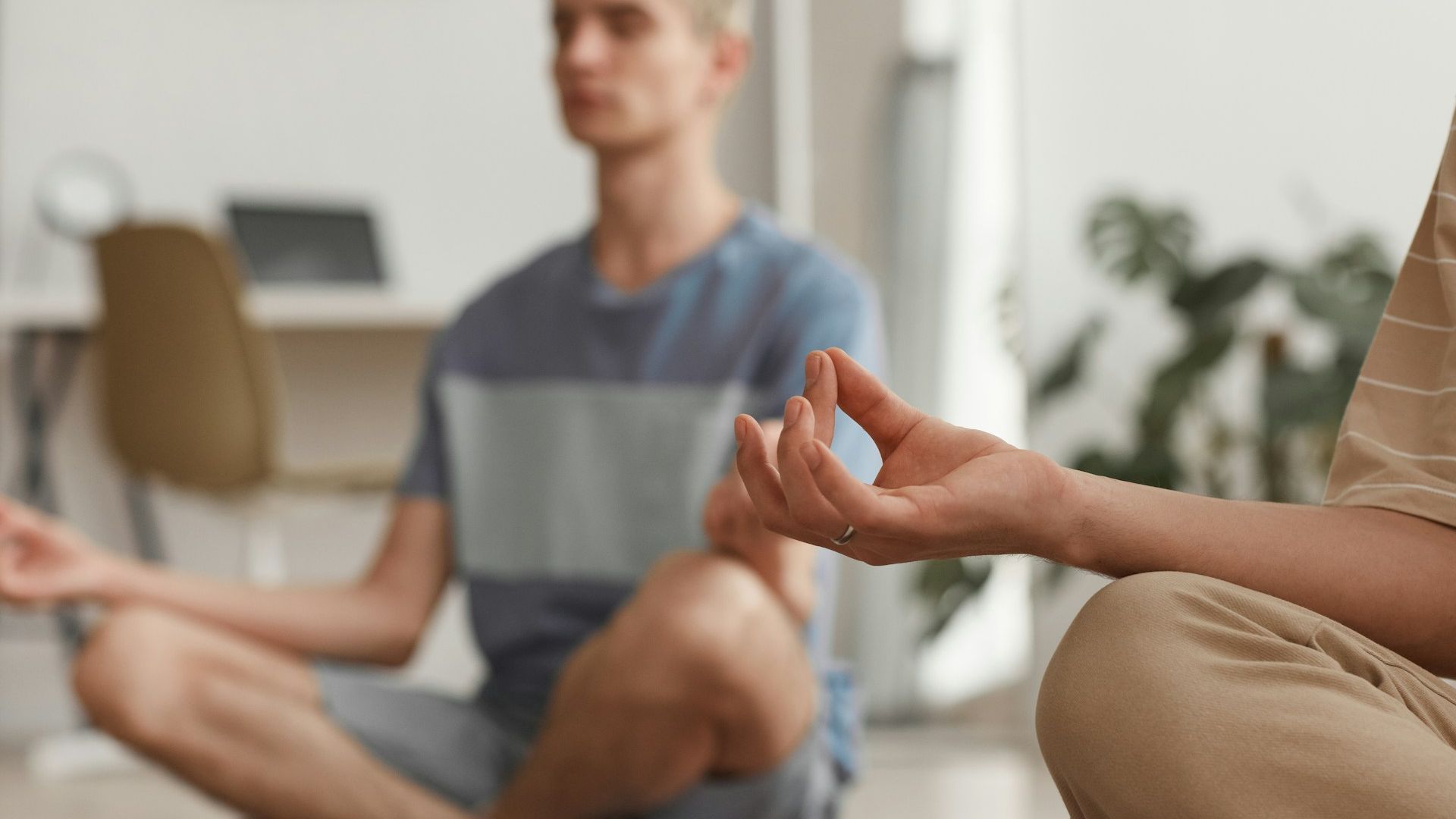
SF Pride is one of the most affirming and emotional events of the summer. The city fills with energy, expression, and community. For many gay men, Pride is a time of joy and visibility mixed with layers of deep personal meaning. But when the crowds leave and the streets quiet down, some of us are left feeling drained in ways we didn’t expect.
That post-celebration fatigue isn’t just physical. It can be emotional and even spiritual. Gay men yoga EMDR practices offer one grounded way to recover from the highs of Pride while still holding space for what comes up after. Yoga paired with EMDR provides the kind of calm, body-centered space that helps us settle and reconnect. Instead of demanding that we explain every feeling, it gives us room to be in our bodies gently, and maybe rest in what we’re still working through.
How Pride Can Be Both Uplifting and Draining
Pride serves many purposes. It’s loud. It’s beautiful. It’s validating. It also stirs up soft spots that haven’t seen the light of day in a while. As powerful as those parades and gatherings are, they don’t always land in a clean way. Some of us walk away feeling seen and celebrated, while others feel a wave of emotional crash once the noise stops.
- Celebration doesn’t cancel out complicated pasts. Sometimes, being so visible reminds us how long we weren’t.
- Crowds and overstimulation can bring up triggers for people who’ve learned to fight for safety in quieter ways.
- Summer pace leaves very little time to process. Everything moves fast, from travel to back-to-back events.
So by the time post-Pride rhythm settles in, it makes sense that our nervous systems might still be spinning. That’s why carving out time for slow, thoughtful recovery is something we shouldn’t skip over, even in a season made for sunshine.
What Is EMDR Yoga and How Does It Work
EMDR yoga brings together two approaches that support emotional regulation in different ways. EMDR stands for Eye Movement Desensitization and Reprocessing. Originally developed to support trauma processing, it uses repetitive patterns (like guided eye movement or bilateral stimulation) to help people untangle emotional stress in more manageable pieces.
When we bring EMDR into yoga, we’re pairing that patterned awareness with gentle movement and grounded breath. It’s not meant to push us into emotional breakthroughs. Instead, it invites the body to reorganize feelings through steady rhythm and presence.
- Movements may center around bilateral actions, slow pacing, or methods that mirror EMDR rhythms
- Breath helps anchor the experience, allowing space for sensations to rise without needing to fix them
- Prolonged stillness or held poses can reveal tension patterns linked to past emotional stories
This style of practice helps the body speak without pressure to explain. Emotional unwinding happens not from the outside in, but from within, supported by the rhythm of safe, supported movement.
Often, people remark that this approach feels approachable. Guided by sequences that use mirrored actions or synchronized breath, participants slip into presence without effort. It doesn’t matter how flexible or experienced we feel, since the point is to check in with our bodies and notice areas where we’re tight, fidgety, or holding back. Sometimes the structure itself is a relief, especially after unstructured celebration.
Why Gay Men May Benefit from EMDR Yoga After Pride
Many gay men carry earlier experiences of rejection, code-switching, or hiding parts of themselves to stay safe. These adaptations shape how we move through the world. Pride brings parts of us out into open air, which is beautiful, but it can also leave us raw by the time the glitter fades.
Bringing our full selves to a celebration doesn’t undo those old protective habits. For some of us, it activates sensitive places we didn’t realize were still living quietly inside. EMDR yoga welcomes those places without judgment and gives them room to stretch, breathe, and soften.
- EMDR yoga offers a way to process feelings without talking them out or performing healing
- Movement feels safe because we’re allowed to choose our level of engagement, one sensation at a time
- Paired with quiet space or low-stimulation environments, people can fully land back in their bodies
This recovery process isn’t about fixing who we are. It’s about holding enough care to witness how we’ve adapted, and allowing some of that tightness to let go.
After periods of celebration or visibility, emotions can surface that we weren’t ready for during the event itself. The body is on high alert, sorting both excitement and discomfort. Choosing a practice with an approach like EMDR yoga is a gentle way to remind ourselves we’re allowed space to rest, to feel, and to be soft after so much outward energy.
Sometimes, all we need after being out in the crowd is a moment to ourselves, checked in, quiet, and patient. That’s the kindness we can offer ourselves, acknowledging both our celebration and our fatigue.
How Summer Recovery Practices Can Regulate the Nervous System
July in San Francisco often means long days, more sun, and a packed calendar of events. Summer’s energy leans toward more, more invitations, more movement, more noise. While that works for some, others may reach a point where the body signals it’s had enough.
Too much input without time to digest it can lead to burnout. That tiredness might not go away with one day off or a nap. People may need slower rhythms to discharge stress that’s been building under the surface.
- Gentle yoga and EMDR movement allow for calmer regulation when mental rest doesn’t feel accessible
- Creating predictable habits like quiet mornings or short body-based check-ins can reset emotional tone
- External calm gives internal feelings a place to show up without being overwhelming
When we bring these practices into our summer, we teach our nervous system that slowing down is just as welcome as showing up.
If we lean into daily or weekly self-care rituals, it can make a difference. Small steps, a longer exhale, a silent room, or organizing a day with more pauses, that’s how regulation builds over time. Our nervous system learns what safety feels like not just in action, but in rest. San Francisco’s bright, loud summer provides a lot to celebrate, but it also makes space for quiet and integration if we allow it.
Rediscovering Calm as a Form of Pride
Getting back to baseline after Pride doesn’t mean stepping away from pride itself. It can actually reinforce it. Reclaiming our own pace, listening to our own body, and choosing quiet when the world is loud, those are soft but powerful ways to stay rooted in who we are.
There’s dignity in saying no to another event, and choosing rest instead. There’s strength in reconnecting with the inner state we may have ignored for weeks. And there’s deep value in remembering that emotional steadiness makes space for joy to return, cleaner, stronger, and more truly our own.
At Danni Pomplun, we know how important it is to feel supported when resetting after an emotionally full season. Whether you’re looking to move gently, reconnect with your breath, or give your nervous system space to settle, we welcome you to start where you are. Our approach blends care, rhythm, and presence in a way that meets you with honesty and calm. Curious how gay men yoga EMDR work can support your post-Pride recovery in San Francisco? Reach out to connect and we’ll help you find what feels right.
Stay connected with news and updates!
Join our mailing list to receive the latest news and updates from our team.
Don't worry, your information will not be shared.
We hate SPAM. We will never sell your information, for any reason.